Buy ardglass.eu ?
We are moving the project
ardglass.eu .
Are you interested in purchasing the domain
ardglass.eu ?
domain@kv-gmbh.de · 0541-91531010
Buy ardglass.eu ?
How was tourism managed until World War II?
Until World War II, tourism was managed through a combination of government regulations, private sector initiatives, and informal arrangements. Governments often played a role in promoting tourism through marketing campaigns and infrastructure development, while also imposing regulations to ensure the safety and quality of tourist experiences. Private sector businesses, such as hotels and tour operators, also played a significant role in managing tourism by providing services and accommodations for travelers. Additionally, informal arrangements, such as word-of-mouth recommendations and local community involvement, also influenced the management of tourism during this time. Overall, tourism management was a combination of public and private sector efforts, as well as informal practices, before World War II. **
What negatively affected German maritime trade and supply routes during the First World War?
During the First World War, German maritime trade and supply routes were negatively affected by the British naval blockade. The Royal Navy's blockade prevented goods and resources from reaching Germany, leading to shortages of essential supplies such as food, fuel, and raw materials. This blockade significantly impacted Germany's ability to sustain its war effort and contributed to the economic hardships faced by the German population during the war. Additionally, the threat of submarine warfare and the sinking of merchant ships by Allied forces further disrupted German maritime trade and supply routes. **
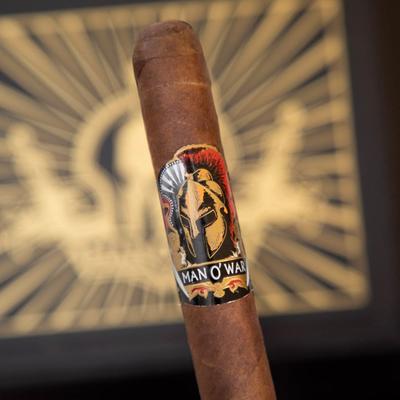

Similar search terms for War
Top-Angebote
Products related to War:

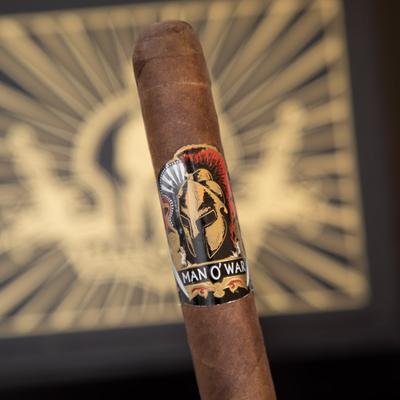
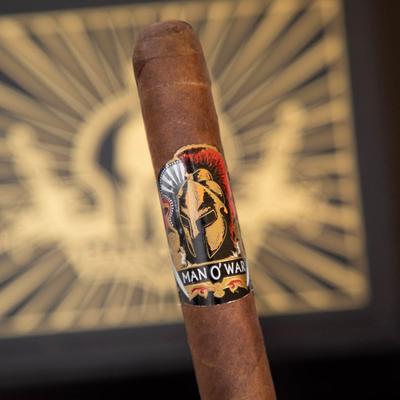
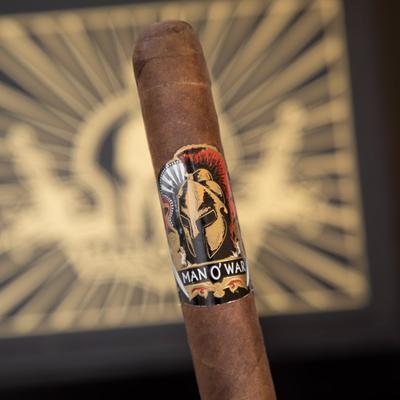
-
What are the characteristics of tourism before and after the Second World War?
Before the Second World War, tourism was primarily limited to the wealthy elite who could afford to travel for leisure. It was often seen as a luxury activity, with a focus on cultural and educational experiences. After the war, tourism became more accessible to the general population as a result of increased prosperity and advancements in transportation. This led to a rise in mass tourism, with a focus on leisure and relaxation, as well as the development of popular tourist destinations and the growth of the hospitality industry. **
-
Was the Korean War a proxy war or a civil war?
The Korean War was a proxy war, as it was fought between the communist-backed North Korea and the capitalist-backed South Korea, with support and involvement from other major powers such as the United States, China, and the Soviet Union. The conflict was not solely an internal struggle within Korea, but rather a larger geopolitical struggle between the two opposing ideologies of communism and capitalism. The involvement of outside powers and the global implications of the war make it more accurately described as a proxy war rather than a civil war. **
-
Is the First World War a modern war?
Yes, the First World War is considered a modern war due to the use of advanced technology and tactics that were unprecedented at the time. The war saw the introduction of new weapons such as tanks, airplanes, and chemical warfare, which changed the nature of warfare. Additionally, the scale of the conflict involving multiple countries and resulting in millions of casualties marked a departure from previous wars in terms of its global impact and devastation. Overall, the First World War is seen as a turning point in military history towards modern warfare. **
-
What do you think about the idea of abolishing deep-sea fishing and instead expanding coastal fishing?
I think the idea of abolishing deep-sea fishing and expanding coastal fishing has its merits. Deep-sea fishing can have a significant impact on marine ecosystems and can lead to overfishing of certain species. By focusing on coastal fishing, we can potentially reduce the negative impact on deep-sea ecosystems and promote more sustainable fishing practices. Additionally, expanding coastal fishing can also benefit local communities and small-scale fishermen, providing economic opportunities and supporting local food systems. However, it's important to carefully manage coastal fishing to prevent overfishing and ensure the long-term sustainability of marine resources. **
What is the motto of Wallenstein: "War feeds war" in the Thirty Years' War?
The motto "War feeds war" reflects the strategy of Wallenstein, a prominent military leader in the Thirty Years' War. It suggests that the continuation of war is necessary for its sustenance, as it provides resources, power, and opportunities for those involved in the conflict. This motto encapsulates the idea that war perpetuates itself, creating a cycle of violence and destruction. Wallenstein's approach to warfare was characterized by aggressive tactics and a focus on maintaining and expanding his military influence, making this motto a fitting representation of his approach to the conflict. **
How did the Second World War turn from a European war into a world war?
The Second World War turned from a European war into a world war primarily due to the expansionist policies of Nazi Germany and Japan. Germany's invasion of Poland in 1939 prompted Britain and France to declare war, drawing in their colonies and allies from around the world. Japan's aggressive actions in Asia, such as the invasion of China and the attack on Pearl Harbor in 1941, further escalated the conflict by involving countries in the Pacific and Southeast Asia. The alliances formed between the Axis powers and the Allied powers also contributed to the global nature of the war, as countries from different regions joined the fight on either side. **
Top-Angebote
Products related to War:
-
How was tourism managed until World War II?
Until World War II, tourism was managed through a combination of government regulations, private sector initiatives, and informal arrangements. Governments often played a role in promoting tourism through marketing campaigns and infrastructure development, while also imposing regulations to ensure the safety and quality of tourist experiences. Private sector businesses, such as hotels and tour operators, also played a significant role in managing tourism by providing services and accommodations for travelers. Additionally, informal arrangements, such as word-of-mouth recommendations and local community involvement, also influenced the management of tourism during this time. Overall, tourism management was a combination of public and private sector efforts, as well as informal practices, before World War II. **
-
What negatively affected German maritime trade and supply routes during the First World War?
During the First World War, German maritime trade and supply routes were negatively affected by the British naval blockade. The Royal Navy's blockade prevented goods and resources from reaching Germany, leading to shortages of essential supplies such as food, fuel, and raw materials. This blockade significantly impacted Germany's ability to sustain its war effort and contributed to the economic hardships faced by the German population during the war. Additionally, the threat of submarine warfare and the sinking of merchant ships by Allied forces further disrupted German maritime trade and supply routes. **
-
What are the characteristics of tourism before and after the Second World War?
Before the Second World War, tourism was primarily limited to the wealthy elite who could afford to travel for leisure. It was often seen as a luxury activity, with a focus on cultural and educational experiences. After the war, tourism became more accessible to the general population as a result of increased prosperity and advancements in transportation. This led to a rise in mass tourism, with a focus on leisure and relaxation, as well as the development of popular tourist destinations and the growth of the hospitality industry. **
-
Was the Korean War a proxy war or a civil war?
The Korean War was a proxy war, as it was fought between the communist-backed North Korea and the capitalist-backed South Korea, with support and involvement from other major powers such as the United States, China, and the Soviet Union. The conflict was not solely an internal struggle within Korea, but rather a larger geopolitical struggle between the two opposing ideologies of communism and capitalism. The involvement of outside powers and the global implications of the war make it more accurately described as a proxy war rather than a civil war. **
Similar search terms for War
-
Is the First World War a modern war?
Yes, the First World War is considered a modern war due to the use of advanced technology and tactics that were unprecedented at the time. The war saw the introduction of new weapons such as tanks, airplanes, and chemical warfare, which changed the nature of warfare. Additionally, the scale of the conflict involving multiple countries and resulting in millions of casualties marked a departure from previous wars in terms of its global impact and devastation. Overall, the First World War is seen as a turning point in military history towards modern warfare. **
-
What do you think about the idea of abolishing deep-sea fishing and instead expanding coastal fishing?
I think the idea of abolishing deep-sea fishing and expanding coastal fishing has its merits. Deep-sea fishing can have a significant impact on marine ecosystems and can lead to overfishing of certain species. By focusing on coastal fishing, we can potentially reduce the negative impact on deep-sea ecosystems and promote more sustainable fishing practices. Additionally, expanding coastal fishing can also benefit local communities and small-scale fishermen, providing economic opportunities and supporting local food systems. However, it's important to carefully manage coastal fishing to prevent overfishing and ensure the long-term sustainability of marine resources. **
-
What is the motto of Wallenstein: "War feeds war" in the Thirty Years' War?
The motto "War feeds war" reflects the strategy of Wallenstein, a prominent military leader in the Thirty Years' War. It suggests that the continuation of war is necessary for its sustenance, as it provides resources, power, and opportunities for those involved in the conflict. This motto encapsulates the idea that war perpetuates itself, creating a cycle of violence and destruction. Wallenstein's approach to warfare was characterized by aggressive tactics and a focus on maintaining and expanding his military influence, making this motto a fitting representation of his approach to the conflict. **
-
How did the Second World War turn from a European war into a world war?
The Second World War turned from a European war into a world war primarily due to the expansionist policies of Nazi Germany and Japan. Germany's invasion of Poland in 1939 prompted Britain and France to declare war, drawing in their colonies and allies from around the world. Japan's aggressive actions in Asia, such as the invasion of China and the attack on Pearl Harbor in 1941, further escalated the conflict by involving countries in the Pacific and Southeast Asia. The alliances formed between the Axis powers and the Allied powers also contributed to the global nature of the war, as countries from different regions joined the fight on either side. **
* All prices are inclusive of VAT and, if applicable, plus shipping costs. The offer information is based on the details provided by the respective shop and is updated through automated processes. Real-time updates do not occur, so deviations can occur in individual cases. ** Note: Parts of this content were created by AI.