Buy ardglass.eu ?
We are moving the project
ardglass.eu .
Are you interested in purchasing the domain
ardglass.eu ?
domain@kv-gmbh.de · 0541-91531010
Buy ardglass.eu ?
What is an electrophilic reaction?
An electrophilic reaction is a type of chemical reaction where an electrophile, which is a species that seeks electrons, reacts with a nucleophile, which is a species that donates electrons. The electrophile accepts a pair of electrons from the nucleophile, leading to the formation of a new chemical bond. This type of reaction is common in organic chemistry and is often used to introduce new functional groups onto a molecule. **
Is water electrophilic or nucleophilic?
Water is considered nucleophilic because it has a lone pair of electrons on the oxygen atom, which can be donated to an electrophile in a chemical reaction. This lone pair of electrons allows water to act as a nucleophile, meaning it can attack positively charged or electron-deficient species in a chemical reaction. **


Similar search terms for Electrophilic
Top-Angebote
Products related to Electrophilic:
-
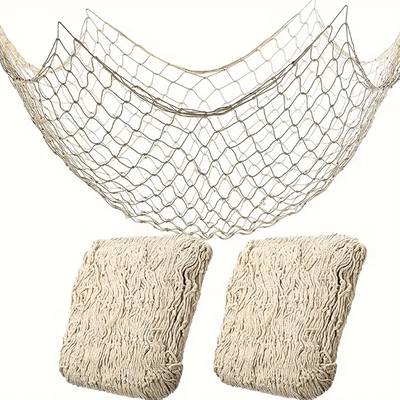
Inspired Finds Nautical Fishing Net Wall Hanging Coastal Beach Party Decor Hawaiian Pirate Theme Nautical Fishing Net Wall Hanging Coastal Beach Party Decor Hawaiian Pirate ThemeTurn any space into a seaside escape with this versatile fishing net wall decor inspired by coastal living and ocean adventures. Whether you're styling a party or refreshing your room, this nautical wall hanging instantly brings a relaxed beach...34,99 $*Shipping: 0,00 $Secure redirect to the provider
-
Inspire Curations Hawaiian Nautical Fishing Net Wall Decor Ocean Theme Party & Coastal Home Accent Hawaiian Nautical Fishing Net Wall Decor Ocean Theme Party & Coastal Home AccentTransform any space into a breezy seaside escape with this stunning Fishing Net Wall Decor. Inspired by coastal living and island vibes, it instantly adds texture and character to your walls or event setup. Whether you're styling a beach party,...63,00 $*Shipping: 0,00 $Secure redirect to the provider
-
Uplift Curations Naval Fishing Net Wall Hanging Coastal Beach & Pirate Theme Decor For Home & Party Naval Fishing Net Wall Hanging Coastal Beach & Pirate Theme Decor For Home & PartyTurn any space into a breezy coastal escape with this stunning fishing net wall decor. Inspired by authentic seaside styling, this nautical wall hanging instantly adds texture, depth, and ocean charm to your walls. Whether you're decorating for a...65,00 $*Shipping: 0,00 $Secure redirect to the provider
-
Inspire Picks Nautical Fishing Net Wall Decor Coastal Marine Hanging Ornament starBring seaside charm into your space with this stylish nautical fishing net decor. Inspired by coastal living, it adds texture and character while creating a relaxed, oceaninspired vibe. Perfect for beach lovers and creative decorators, this marine...34,93 $*Shipping: 0,00 $Secure redirect to the provider



-
What is electrophilic addition in chemistry?
Electrophilic addition is a type of chemical reaction where an electrophile (an electron-deficient species) reacts with a nucleophile (an electron-rich species) to form a new molecule. This reaction typically occurs with unsaturated compounds like alkenes or alkynes, where the pi bond is broken and new sigma bonds are formed. Electrophilic addition reactions are commonly seen in organic chemistry and are important in the synthesis of various organic compounds. **
-
What are nucleophilic and electrophilic reagents?
Nucleophilic reagents are molecules or ions that are electron-rich and are attracted to electron-deficient sites in other molecules. They donate a pair of electrons to form a new covalent bond. Electrophilic reagents, on the other hand, are electron-deficient species that are attracted to electron-rich sites in other molecules. They accept a pair of electrons to form a new covalent bond. Both types of reagents play important roles in organic chemistry reactions by participating in bond formation processes. **
-
What is the electrophilic addition 6?
Electrophilic addition 6 is a chemical reaction in which an electrophile (an electron-deficient species) adds to a double bond, resulting in the formation of two new single bonds. This type of reaction is commonly seen in the addition of hydrogen halides (such as HCl or HBr) to alkenes. The electrophile (in this case, the hydrogen halide) is attracted to the electron-rich double bond and adds across it, breaking the π bond and forming two new σ bonds. This type of reaction is important in organic chemistry for the synthesis of various organic compounds. **
-
Why do aromatics not undergo electrophilic addition?
Aromatics do not undergo electrophilic addition because of their stability and the delocalization of their pi electrons. The delocalized pi electrons in the aromatic ring create a stable electron cloud, making it difficult for electrophiles to attack and break the aromatic system. Instead, aromatics typically undergo electrophilic substitution reactions, where an electrophile substitutes for a hydrogen atom on the aromatic ring, while the aromatic system remains intact. This stability and resistance to electrophilic addition is a key characteristic of aromatic compounds and is a result of their unique bonding and electron distribution. **


Doesn't electrophilic addition always occur during esterification?
No, electrophilic addition does not always occur during esterification. Esterification is a chemical reaction between an alcohol and a carboxylic acid to form an ester and water. This reaction involves the nucleophilic substitution of the hydroxyl group of the alcohol with the carboxyl group of the carboxylic acid, rather than electrophilic addition. The reaction is catalyzed by an acid, such as sulfuric acid or hydrochloric acid, which helps to protonate the hydroxyl group and make it a better leaving group. Therefore, esterification does not involve electrophilic addition. **
What are substitution products in electrophilic aromatic substitution?
Substitution products in electrophilic aromatic substitution are the result of the replacement of a hydrogen atom on an aromatic ring with an electrophile. This process occurs when an electrophile attacks the aromatic ring and forms a new bond, leading to the substitution of the hydrogen atom. The resulting substitution products can be ortho, meta, or para depending on the position of the electrophile relative to the other substituents on the aromatic ring. These substitution products are important in organic chemistry as they can significantly alter the reactivity and properties of the aromatic compound. **
Top-Angebote
Products related to Electrophilic:
-
Uplift Picks Nautical Fishing Net Wall Decor Beach Theme Hanging For Coastal Home Styling Nautical Fishing Net Wall Decor Beach Theme Hanging For Coastal Home StylingBring the relaxing vibe of the ocean into your space with this charming fishing net wall decor designed for coastalinspired interiors. Perfect for beach lovers, party hosts, or anyone looking to add a seaside touch, this piece instantly transforms...76,99 $*Shipping: 0,00 $Secure redirect to the provider
-
Inspire Essentials Coastal Fishing Net Wall Decor For Beach Theme Home And Party Styling Coastal Fishing Net Wall Decor For Beach Theme Home And Party StylingBring the relaxed charm of the seaside into your space with this beautifully styled fishing net wall decor designed to create an authentic coastal vibe. Inspired by ocean life and beachside living this piece instantly transforms any wall into a...34,98 $*Shipping: 0,00 $Secure redirect to the provider
-
Inspired Finds Nautical Fishing Net Wall Hanging Coastal Beach Party Decor Hawaiian Pirate Theme Nautical Fishing Net Wall Hanging Coastal Beach Party Decor Hawaiian Pirate ThemeTurn any space into a seaside escape with this versatile fishing net wall decor inspired by coastal living and ocean adventures. Whether you're styling a party or refreshing your room, this nautical wall hanging instantly brings a relaxed beach...34,99 $*Shipping: 0,00 $Secure redirect to the provider
-
Inspire Curations Hawaiian Nautical Fishing Net Wall Decor Ocean Theme Party & Coastal Home Accent Hawaiian Nautical Fishing Net Wall Decor Ocean Theme Party & Coastal Home AccentTransform any space into a breezy seaside escape with this stunning Fishing Net Wall Decor. Inspired by coastal living and island vibes, it instantly adds texture and character to your walls or event setup. Whether you're styling a beach party,...63,00 $*Shipping: 0,00 $Secure redirect to the provider
-
What is an electrophilic reaction?
An electrophilic reaction is a type of chemical reaction where an electrophile, which is a species that seeks electrons, reacts with a nucleophile, which is a species that donates electrons. The electrophile accepts a pair of electrons from the nucleophile, leading to the formation of a new chemical bond. This type of reaction is common in organic chemistry and is often used to introduce new functional groups onto a molecule. **
-
Is water electrophilic or nucleophilic?
Water is considered nucleophilic because it has a lone pair of electrons on the oxygen atom, which can be donated to an electrophile in a chemical reaction. This lone pair of electrons allows water to act as a nucleophile, meaning it can attack positively charged or electron-deficient species in a chemical reaction. **
-
What is electrophilic addition in chemistry?
Electrophilic addition is a type of chemical reaction where an electrophile (an electron-deficient species) reacts with a nucleophile (an electron-rich species) to form a new molecule. This reaction typically occurs with unsaturated compounds like alkenes or alkynes, where the pi bond is broken and new sigma bonds are formed. Electrophilic addition reactions are commonly seen in organic chemistry and are important in the synthesis of various organic compounds. **
-
What are nucleophilic and electrophilic reagents?
Nucleophilic reagents are molecules or ions that are electron-rich and are attracted to electron-deficient sites in other molecules. They donate a pair of electrons to form a new covalent bond. Electrophilic reagents, on the other hand, are electron-deficient species that are attracted to electron-rich sites in other molecules. They accept a pair of electrons to form a new covalent bond. Both types of reagents play important roles in organic chemistry reactions by participating in bond formation processes. **
Similar search terms for Electrophilic
-
Uplift Curations Naval Fishing Net Wall Hanging Coastal Beach & Pirate Theme Decor For Home & Party Naval Fishing Net Wall Hanging Coastal Beach & Pirate Theme Decor For Home & PartyTurn any space into a breezy coastal escape with this stunning fishing net wall decor. Inspired by authentic seaside styling, this nautical wall hanging instantly adds texture, depth, and ocean charm to your walls. Whether you're decorating for a...65,00 $*Shipping: 0,00 $Secure redirect to the provider
-
Inspire Picks Nautical Fishing Net Wall Decor Coastal Marine Hanging Ornament starBring seaside charm into your space with this stylish nautical fishing net decor. Inspired by coastal living, it adds texture and character while creating a relaxed, oceaninspired vibe. Perfect for beach lovers and creative decorators, this marine...34,93 $*Shipping: 0,00 $Secure redirect to the provider
-
Uplifted Finds Retro Wooden Seagull Wall Set Coastal Bird Hanging Ornament Executive Home & Office Maritime Sanctuary Decor a1"Inaugurate a soaring ""CoastalSanctuary"" energy in your environment with our Retro Wooden Seagull Wall Set. This premium avian ornament collection is the ultimate designer solution for creating a ""NauticalModern"" or ""ExecutiveStudioLuxe"" atmosphere..."44,97 $*Shipping: 0,00 $Secure redirect to the provider
-
Inspire Picks Nautical Fishing Net Wall Decor Coastal Marine Hanging Ornament shellBring seaside charm into your space with this stylish nautical fishing net decor. Inspired by coastal living, it adds texture and character while creating a relaxed, oceaninspired vibe. Perfect for beach lovers and creative decorators, this marine...34,93 $*Shipping: 0,00 $Secure redirect to the provider
-
What is the electrophilic addition 6?
Electrophilic addition 6 is a chemical reaction in which an electrophile (an electron-deficient species) adds to a double bond, resulting in the formation of two new single bonds. This type of reaction is commonly seen in the addition of hydrogen halides (such as HCl or HBr) to alkenes. The electrophile (in this case, the hydrogen halide) is attracted to the electron-rich double bond and adds across it, breaking the π bond and forming two new σ bonds. This type of reaction is important in organic chemistry for the synthesis of various organic compounds. **
-
Why do aromatics not undergo electrophilic addition?
Aromatics do not undergo electrophilic addition because of their stability and the delocalization of their pi electrons. The delocalized pi electrons in the aromatic ring create a stable electron cloud, making it difficult for electrophiles to attack and break the aromatic system. Instead, aromatics typically undergo electrophilic substitution reactions, where an electrophile substitutes for a hydrogen atom on the aromatic ring, while the aromatic system remains intact. This stability and resistance to electrophilic addition is a key characteristic of aromatic compounds and is a result of their unique bonding and electron distribution. **
-
Doesn't electrophilic addition always occur during esterification?
No, electrophilic addition does not always occur during esterification. Esterification is a chemical reaction between an alcohol and a carboxylic acid to form an ester and water. This reaction involves the nucleophilic substitution of the hydroxyl group of the alcohol with the carboxyl group of the carboxylic acid, rather than electrophilic addition. The reaction is catalyzed by an acid, such as sulfuric acid or hydrochloric acid, which helps to protonate the hydroxyl group and make it a better leaving group. Therefore, esterification does not involve electrophilic addition. **
-
What are substitution products in electrophilic aromatic substitution?
Substitution products in electrophilic aromatic substitution are the result of the replacement of a hydrogen atom on an aromatic ring with an electrophile. This process occurs when an electrophile attacks the aromatic ring and forms a new bond, leading to the substitution of the hydrogen atom. The resulting substitution products can be ortho, meta, or para depending on the position of the electrophile relative to the other substituents on the aromatic ring. These substitution products are important in organic chemistry as they can significantly alter the reactivity and properties of the aromatic compound. **
* All prices are inclusive of VAT and, if applicable, plus shipping costs. The offer information is based on the details provided by the respective shop and is updated through automated processes. Real-time updates do not occur, so deviations can occur in individual cases. ** Note: Parts of this content were created by AI.