Buy ardglass.eu ?
We are moving the project
ardglass.eu .
Are you interested in purchasing the domain
ardglass.eu ?
domain@kv-gmbh.de · 0541-91531010
Buy ardglass.eu ?
Why is Rutherford's scattering experiment called a scattering experiment at all?
Rutherford's experiment is called a scattering experiment because it involved firing alpha particles at a thin gold foil and observing how they scattered after hitting the foil. The term "scattering" refers to the process of particles being deflected from their original path as a result of collisions with the atoms in the foil. By analyzing the pattern of scattering, Rutherford was able to deduce the structure of the atom and propose the existence of a dense, positively charged nucleus at its center. This experiment was crucial in advancing our understanding of atomic structure and the behavior of subatomic particles. **
What was Rutherford's scattering experiment?
Rutherford's scattering experiment involved firing alpha particles at a thin gold foil and observing their deflection. The experiment aimed to study the structure of the atom and determine how the positive charge is distributed within it. The unexpected results of the experiment led Rutherford to propose the nuclear model of the atom, where he suggested that atoms have a small, dense, positively charged nucleus at their center. This experiment was crucial in advancing our understanding of atomic structure. **

Similar search terms for Scattering
Top-Angebote
Products related to Scattering:
-
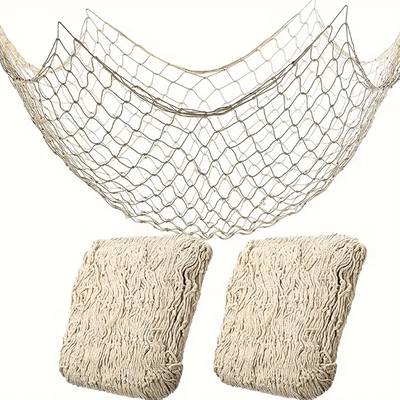
Uplift Picks Nautical Fishing Net Wall Decor Beach Theme Hanging For Coastal Home Styling Nautical Fishing Net Wall Decor Beach Theme Hanging For Coastal Home StylingBring the relaxing vibe of the ocean into your space with this charming fishing net wall decor designed for coastalinspired interiors. Perfect for beach lovers, party hosts, or anyone looking to add a seaside touch, this piece instantly transforms...76,99 $*Shipping: 0,00 $Secure redirect to the provider
-
Inspired Finds Nautical Fishing Net Wall Hanging Coastal Beach Party Decor Hawaiian Pirate Theme Nautical Fishing Net Wall Hanging Coastal Beach Party Decor Hawaiian Pirate ThemeTurn any space into a seaside escape with this versatile fishing net wall decor inspired by coastal living and ocean adventures. Whether you're styling a party or refreshing your room, this nautical wall hanging instantly brings a relaxed beach...34,99 $*Shipping: 0,00 $Secure redirect to the provider
-
Bumbleride Era Stroller + Bassinet Bundle - Maritime / MaritimeFeaturing an infant-safe, reversible seat to bond with your precious cargo until theyre ready to adventure facing forward. The Bumbleride Era has all-wheel suspension and air-filled tires giving you a smooth, one-handed push on city streets or bumpy...798,40 $*Shipping: 0,00 $Secure redirect to the provider
-
Uplift Curations Naval Fishing Net Wall Hanging Coastal Beach & Pirate Theme Decor For Home & Party Naval Fishing Net Wall Hanging Coastal Beach & Pirate Theme Decor For Home & PartyTurn any space into a breezy coastal escape with this stunning fishing net wall decor. Inspired by authentic seaside styling, this nautical wall hanging instantly adds texture, depth, and ocean charm to your walls. Whether you're decorating for a...65,00 $*Shipping: 0,00 $Secure redirect to the provider


-
What is the Rutherford scattering experiment?
The Rutherford scattering experiment was conducted by physicist Ernest Rutherford in 1909. In this experiment, Rutherford bombarded a thin gold foil with alpha particles and observed their scattering patterns. The unexpected results of the experiment led to the discovery of the atomic nucleus and the development of the nuclear model of the atom. The experiment showed that most of the alpha particles passed through the foil, but some were deflected at large angles, indicating the presence of a small, dense nucleus within the atom. This experiment revolutionized our understanding of the structure of the atom. **
-
What is the Rutherford scattering with copper?
Rutherford scattering with copper refers to the experiment conducted by Ernest Rutherford in which he bombarded a thin gold foil with alpha particles. The experiment led to the discovery that atoms have a small, dense nucleus at their center, which was a groundbreaking finding in the field of nuclear physics. The use of copper in the experiment is not common, as gold was the metal foil typically used due to its malleability and ability to be made very thin. **
-
What is the difference between reflection and scattering?
Reflection occurs when light bounces off a surface at the same angle it hits it, resulting in a clear image. Scattering, on the other hand, occurs when light is dispersed in different directions by particles or irregularities in a medium, resulting in a diffuse or hazy appearance. In reflection, the light maintains its original intensity and color, while in scattering, the light may lose intensity and change color due to the interaction with the medium. **
-
What causes the photoelectric effect: absorption or scattering?
The photoelectric effect is caused by absorption of photons by electrons in a material, rather than scattering. When a photon with sufficient energy is absorbed by an electron in a material, it can transfer enough energy to the electron to liberate it from the material, causing the photoelectric effect. Scattering, on the other hand, involves the redirection of photons by particles in a material, but it does not result in the ejection of electrons from the material. **


Why is the Rutherford experiment called the scattering experiment?
The Rutherford experiment is called the scattering experiment because it involved firing alpha particles at a thin gold foil and observing how they scattered after hitting the foil. This scattering of alpha particles provided crucial evidence for the existence of a small, dense nucleus within the atom, as most of the alpha particles passed through the foil with little deflection, but a small fraction were scattered at large angles. This unexpected scattering pattern led to the development of the nuclear model of the atom and revolutionized our understanding of atomic structure. **
Can you explain the Rutherford scattering experiment atomic model?
The Rutherford scattering experiment was conducted by physicist Ernest Rutherford in 1909. In this experiment, Rutherford bombarded a thin gold foil with alpha particles and observed their scattering patterns. According to the prevailing atomic model at the time, the plum pudding model, it was expected that the alpha particles would pass through the foil with minimal deflection. However, Rutherford's observations showed that some alpha particles were deflected at large angles, and even some were reflected back. This led to the development of the nuclear model of the atom, in which the atom is mostly empty space with a small, dense nucleus at the center. This experiment provided evidence for the existence of a positively charged nucleus within the atom, leading to a significant shift in our understanding of atomic structure. **
Top-Angebote
Products related to Scattering:
-
Inspire Essentials Coastal Fishing Net Wall Decor For Beach Theme Home And Party Styling Coastal Fishing Net Wall Decor For Beach Theme Home And Party StylingBring the relaxed charm of the seaside into your space with this beautifully styled fishing net wall decor designed to create an authentic coastal vibe. Inspired by ocean life and beachside living this piece instantly transforms any wall into a...34,98 $*Shipping: 0,00 $Secure redirect to the provider
-
Inspire Curations Hawaiian Nautical Fishing Net Wall Decor Ocean Theme Party & Coastal Home Accent Hawaiian Nautical Fishing Net Wall Decor Ocean Theme Party & Coastal Home AccentTransform any space into a breezy seaside escape with this stunning Fishing Net Wall Decor. Inspired by coastal living and island vibes, it instantly adds texture and character to your walls or event setup. Whether you're styling a beach party,...63,00 $*Shipping: 0,00 $Secure redirect to the provider
-
Uplift Picks Nautical Fishing Net Wall Decor Beach Theme Hanging For Coastal Home Styling Nautical Fishing Net Wall Decor Beach Theme Hanging For Coastal Home StylingBring the relaxing vibe of the ocean into your space with this charming fishing net wall decor designed for coastalinspired interiors. Perfect for beach lovers, party hosts, or anyone looking to add a seaside touch, this piece instantly transforms...76,99 $*Shipping: 0,00 $Secure redirect to the provider
-
Inspired Finds Nautical Fishing Net Wall Hanging Coastal Beach Party Decor Hawaiian Pirate Theme Nautical Fishing Net Wall Hanging Coastal Beach Party Decor Hawaiian Pirate ThemeTurn any space into a seaside escape with this versatile fishing net wall decor inspired by coastal living and ocean adventures. Whether you're styling a party or refreshing your room, this nautical wall hanging instantly brings a relaxed beach...34,99 $*Shipping: 0,00 $Secure redirect to the provider
-
Why is Rutherford's scattering experiment called a scattering experiment at all?
Rutherford's experiment is called a scattering experiment because it involved firing alpha particles at a thin gold foil and observing how they scattered after hitting the foil. The term "scattering" refers to the process of particles being deflected from their original path as a result of collisions with the atoms in the foil. By analyzing the pattern of scattering, Rutherford was able to deduce the structure of the atom and propose the existence of a dense, positively charged nucleus at its center. This experiment was crucial in advancing our understanding of atomic structure and the behavior of subatomic particles. **
-
What was Rutherford's scattering experiment?
Rutherford's scattering experiment involved firing alpha particles at a thin gold foil and observing their deflection. The experiment aimed to study the structure of the atom and determine how the positive charge is distributed within it. The unexpected results of the experiment led Rutherford to propose the nuclear model of the atom, where he suggested that atoms have a small, dense, positively charged nucleus at their center. This experiment was crucial in advancing our understanding of atomic structure. **
-
What is the Rutherford scattering experiment?
The Rutherford scattering experiment was conducted by physicist Ernest Rutherford in 1909. In this experiment, Rutherford bombarded a thin gold foil with alpha particles and observed their scattering patterns. The unexpected results of the experiment led to the discovery of the atomic nucleus and the development of the nuclear model of the atom. The experiment showed that most of the alpha particles passed through the foil, but some were deflected at large angles, indicating the presence of a small, dense nucleus within the atom. This experiment revolutionized our understanding of the structure of the atom. **
-
What is the Rutherford scattering with copper?
Rutherford scattering with copper refers to the experiment conducted by Ernest Rutherford in which he bombarded a thin gold foil with alpha particles. The experiment led to the discovery that atoms have a small, dense nucleus at their center, which was a groundbreaking finding in the field of nuclear physics. The use of copper in the experiment is not common, as gold was the metal foil typically used due to its malleability and ability to be made very thin. **
Similar search terms for Scattering
-
Bumbleride Era Stroller + Bassinet Bundle - Maritime / MaritimeFeaturing an infant-safe, reversible seat to bond with your precious cargo until theyre ready to adventure facing forward. The Bumbleride Era has all-wheel suspension and air-filled tires giving you a smooth, one-handed push on city streets or bumpy...798,40 $*Shipping: 0,00 $Secure redirect to the provider
-
Uplift Curations Naval Fishing Net Wall Hanging Coastal Beach & Pirate Theme Decor For Home & Party Naval Fishing Net Wall Hanging Coastal Beach & Pirate Theme Decor For Home & PartyTurn any space into a breezy coastal escape with this stunning fishing net wall decor. Inspired by authentic seaside styling, this nautical wall hanging instantly adds texture, depth, and ocean charm to your walls. Whether you're decorating for a...65,00 $*Shipping: 0,00 $Secure redirect to the provider
-
Inspire Picks Nautical Fishing Net Wall Decor Coastal Marine Hanging Ornament shellBring seaside charm into your space with this stylish nautical fishing net decor. Inspired by coastal living, it adds texture and character while creating a relaxed, oceaninspired vibe. Perfect for beach lovers and creative decorators, this marine...34,93 $*Shipping: 0,00 $Secure redirect to the provider
-
Inspire Essentials Coastal Nautical Fishing Net Wall Decor Beach Style Hanging Ornament 3Turn any space into a relaxing seaside escape with this beautifully crafted nautical wall decor designed to bring coastal charm into your home. This lightweight and versatile fishing net wall decor adds texture and personality, instantly...34,98 $*Shipping: 0,00 $Secure redirect to the provider
-
What is the difference between reflection and scattering?
Reflection occurs when light bounces off a surface at the same angle it hits it, resulting in a clear image. Scattering, on the other hand, occurs when light is dispersed in different directions by particles or irregularities in a medium, resulting in a diffuse or hazy appearance. In reflection, the light maintains its original intensity and color, while in scattering, the light may lose intensity and change color due to the interaction with the medium. **
-
What causes the photoelectric effect: absorption or scattering?
The photoelectric effect is caused by absorption of photons by electrons in a material, rather than scattering. When a photon with sufficient energy is absorbed by an electron in a material, it can transfer enough energy to the electron to liberate it from the material, causing the photoelectric effect. Scattering, on the other hand, involves the redirection of photons by particles in a material, but it does not result in the ejection of electrons from the material. **
-
Why is the Rutherford experiment called the scattering experiment?
The Rutherford experiment is called the scattering experiment because it involved firing alpha particles at a thin gold foil and observing how they scattered after hitting the foil. This scattering of alpha particles provided crucial evidence for the existence of a small, dense nucleus within the atom, as most of the alpha particles passed through the foil with little deflection, but a small fraction were scattered at large angles. This unexpected scattering pattern led to the development of the nuclear model of the atom and revolutionized our understanding of atomic structure. **
-
Can you explain the Rutherford scattering experiment atomic model?
The Rutherford scattering experiment was conducted by physicist Ernest Rutherford in 1909. In this experiment, Rutherford bombarded a thin gold foil with alpha particles and observed their scattering patterns. According to the prevailing atomic model at the time, the plum pudding model, it was expected that the alpha particles would pass through the foil with minimal deflection. However, Rutherford's observations showed that some alpha particles were deflected at large angles, and even some were reflected back. This led to the development of the nuclear model of the atom, in which the atom is mostly empty space with a small, dense nucleus at the center. This experiment provided evidence for the existence of a positively charged nucleus within the atom, leading to a significant shift in our understanding of atomic structure. **
* All prices are inclusive of VAT and, if applicable, plus shipping costs. The offer information is based on the details provided by the respective shop and is updated through automated processes. Real-time updates do not occur, so deviations can occur in individual cases. ** Note: Parts of this content were created by AI.