Buy ardglass.eu ?
We are moving the project
ardglass.eu .
Are you interested in purchasing the domain
ardglass.eu ?
domain@kv-gmbh.de · 0541-91531010
Buy ardglass.eu ?
Which tenses exist in Swiss German that only have two tenses?
In Swiss German, there are two tenses that only have two forms: the present tense and the past tense. The present tense is used to talk about actions happening in the present, while the past tense is used to talk about actions that have already happened. Unlike in Standard German, there is no distinction between the simple past and the present perfect tense in Swiss German. **
Which tenses are related?
The tenses that are related in English are the simple present, simple past, and simple future tenses. These tenses are the basic forms of verb conjugation and are used to express actions or states that occur in the present, past, or future respectively. They are often used as building blocks for more complex tenses and can be combined with auxiliary verbs to convey different shades of meaning. Understanding the relationship between these tenses is essential for mastering English grammar. **


Similar search terms for Tenses
Top-Angebote
Products related to Tenses:
-
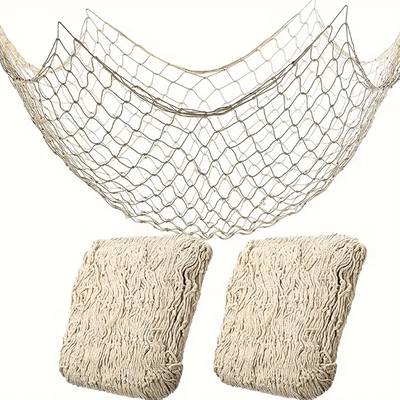
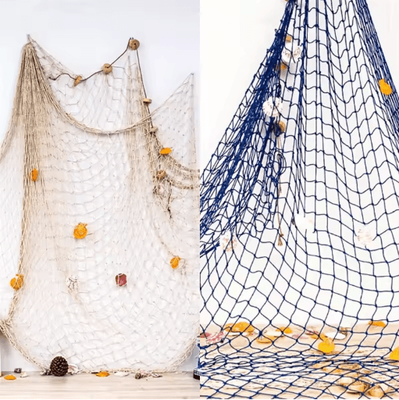
Inspired Finds Nautical Fishing Net Wall Hanging Coastal Beach Party Decor Hawaiian Pirate Theme Nautical Fishing Net Wall Hanging Coastal Beach Party Decor Hawaiian Pirate ThemeTurn any space into a seaside escape with this versatile fishing net wall decor inspired by coastal living and ocean adventures. Whether you're styling a party or refreshing your room, this nautical wall hanging instantly brings a relaxed beach...34,99 $*Shipping: 0,00 $Secure redirect to the provider
-
Inspire Curations Hawaiian Nautical Fishing Net Wall Decor Ocean Theme Party & Coastal Home Accent Hawaiian Nautical Fishing Net Wall Decor Ocean Theme Party & Coastal Home AccentTransform any space into a breezy seaside escape with this stunning Fishing Net Wall Decor. Inspired by coastal living and island vibes, it instantly adds texture and character to your walls or event setup. Whether you're styling a beach party,...63,00 $*Shipping: 0,00 $Secure redirect to the provider
-
Uplift Curations Naval Fishing Net Wall Hanging Coastal Beach & Pirate Theme Decor For Home & Party Naval Fishing Net Wall Hanging Coastal Beach & Pirate Theme Decor For Home & PartyTurn any space into a breezy coastal escape with this stunning fishing net wall decor. Inspired by authentic seaside styling, this nautical wall hanging instantly adds texture, depth, and ocean charm to your walls. Whether you're decorating for a...65,00 $*Shipping: 0,00 $Secure redirect to the provider
-
Inspire Picks Nautical Fishing Net Wall Decor Coastal Marine Hanging Ornament starBring seaside charm into your space with this stylish nautical fishing net decor. Inspired by coastal living, it adds texture and character while creating a relaxed, oceaninspired vibe. Perfect for beach lovers and creative decorators, this marine...34,93 $*Shipping: 0,00 $Secure redirect to the provider


-
Which tenses are there in Swiss German that only have two tenses?
In Swiss German, there are two tenses that only have two forms: present and past. The present tense is used to describe actions happening in the present moment, while the past tense is used to talk about actions that have already occurred. These two tenses are commonly used in everyday conversations in Swiss German. **
-
Which tenses are there in Swiss German that have only two tenses?
In Swiss German, there are two tenses that have only two forms: the present tense and the past tense. The present tense is used to describe actions happening in the present moment, while the past tense is used to talk about actions that have already happened. Unlike Standard German, Swiss German does not have a separate future tense, so speakers use the present tense or auxiliary verbs to indicate future actions. **
-
Which tenses exist in Swiss German where there are only two tenses?
In Swiss German, the two tenses that exist are the present tense and the past tense. The present tense is used to describe actions that are currently happening or habitual actions, while the past tense is used to talk about actions that have already occurred. Swiss German does not have a separate future tense, as the present tense can also be used to express future actions. **
-
What are the English tenses?
The English language has 12 tenses, which are divided into three main categories: past, present, and future. Each category has four tenses: simple, continuous, perfect, and perfect continuous. The simple tenses refer to actions that are completed at a specific time, the continuous tenses refer to actions that are ongoing or in progress, the perfect tenses refer to actions that are completed before a specific time, and the perfect continuous tenses refer to actions that started in the past and are still ongoing. Understanding these tenses is essential for effective communication in English. **
What are the French tenses?
The French language has several tenses, including the present, past, and future tenses. The present tense is used to talk about actions happening in the present or habitual actions. The past tense is used to talk about completed actions in the past, and it has several forms such as the passé composé and the imparfait. The future tense is used to talk about actions that will happen in the future. Additionally, French has other tenses such as the conditional and the subjunctive, which are used to express hypothetical or uncertain actions. **
How can one recognize tenses?
One can recognize tenses by looking at the verb in a sentence and identifying the time frame in which the action is taking place. For example, if the verb ends in "-ed" it is likely in the past tense, while if it ends in "-ing" it is likely in the present continuous tense. Additionally, the use of helping verbs such as "will" or "has" can indicate future or present perfect tenses, respectively. Understanding the context of the sentence and the time frame being referred to can also help in recognizing tenses. **
Top-Angebote
Products related to Tenses:
-
Uplift Picks Nautical Fishing Net Wall Decor Beach Theme Hanging For Coastal Home Styling Nautical Fishing Net Wall Decor Beach Theme Hanging For Coastal Home StylingBring the relaxing vibe of the ocean into your space with this charming fishing net wall decor designed for coastalinspired interiors. Perfect for beach lovers, party hosts, or anyone looking to add a seaside touch, this piece instantly transforms...76,99 $*Shipping: 0,00 $Secure redirect to the provider
-
Inspire Essentials Coastal Fishing Net Wall Decor For Beach Theme Home And Party Styling Coastal Fishing Net Wall Decor For Beach Theme Home And Party StylingBring the relaxed charm of the seaside into your space with this beautifully styled fishing net wall decor designed to create an authentic coastal vibe. Inspired by ocean life and beachside living this piece instantly transforms any wall into a...34,98 $*Shipping: 0,00 $Secure redirect to the provider
-
Inspired Finds Nautical Fishing Net Wall Hanging Coastal Beach Party Decor Hawaiian Pirate Theme Nautical Fishing Net Wall Hanging Coastal Beach Party Decor Hawaiian Pirate ThemeTurn any space into a seaside escape with this versatile fishing net wall decor inspired by coastal living and ocean adventures. Whether you're styling a party or refreshing your room, this nautical wall hanging instantly brings a relaxed beach...34,99 $*Shipping: 0,00 $Secure redirect to the provider
-
Inspire Curations Hawaiian Nautical Fishing Net Wall Decor Ocean Theme Party & Coastal Home Accent Hawaiian Nautical Fishing Net Wall Decor Ocean Theme Party & Coastal Home AccentTransform any space into a breezy seaside escape with this stunning Fishing Net Wall Decor. Inspired by coastal living and island vibes, it instantly adds texture and character to your walls or event setup. Whether you're styling a beach party,...63,00 $*Shipping: 0,00 $Secure redirect to the provider
-
Which tenses exist in Swiss German that only have two tenses?
In Swiss German, there are two tenses that only have two forms: the present tense and the past tense. The present tense is used to talk about actions happening in the present, while the past tense is used to talk about actions that have already happened. Unlike in Standard German, there is no distinction between the simple past and the present perfect tense in Swiss German. **
-
Which tenses are related?
The tenses that are related in English are the simple present, simple past, and simple future tenses. These tenses are the basic forms of verb conjugation and are used to express actions or states that occur in the present, past, or future respectively. They are often used as building blocks for more complex tenses and can be combined with auxiliary verbs to convey different shades of meaning. Understanding the relationship between these tenses is essential for mastering English grammar. **
-
Which tenses are there in Swiss German that only have two tenses?
In Swiss German, there are two tenses that only have two forms: present and past. The present tense is used to describe actions happening in the present moment, while the past tense is used to talk about actions that have already occurred. These two tenses are commonly used in everyday conversations in Swiss German. **
-
Which tenses are there in Swiss German that have only two tenses?
In Swiss German, there are two tenses that have only two forms: the present tense and the past tense. The present tense is used to describe actions happening in the present moment, while the past tense is used to talk about actions that have already happened. Unlike Standard German, Swiss German does not have a separate future tense, so speakers use the present tense or auxiliary verbs to indicate future actions. **
Similar search terms for Tenses
-
Uplift Curations Naval Fishing Net Wall Hanging Coastal Beach & Pirate Theme Decor For Home & Party Naval Fishing Net Wall Hanging Coastal Beach & Pirate Theme Decor For Home & PartyTurn any space into a breezy coastal escape with this stunning fishing net wall decor. Inspired by authentic seaside styling, this nautical wall hanging instantly adds texture, depth, and ocean charm to your walls. Whether you're decorating for a...65,00 $*Shipping: 0,00 $Secure redirect to the provider
-
Inspire Picks Nautical Fishing Net Wall Decor Coastal Marine Hanging Ornament starBring seaside charm into your space with this stylish nautical fishing net decor. Inspired by coastal living, it adds texture and character while creating a relaxed, oceaninspired vibe. Perfect for beach lovers and creative decorators, this marine...34,93 $*Shipping: 0,00 $Secure redirect to the provider
-
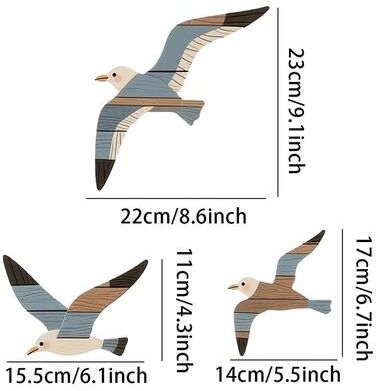
Uplifted Finds Retro Wooden Seagull Wall Set Coastal Bird Hanging Ornament Executive Home & Office Maritime Sanctuary Decor a1"Inaugurate a soaring ""CoastalSanctuary"" energy in your environment with our Retro Wooden Seagull Wall Set. This premium avian ornament collection is the ultimate designer solution for creating a ""NauticalModern"" or ""ExecutiveStudioLuxe"" atmosphere..."44,97 $*Shipping: 0,00 $Secure redirect to the provider
-
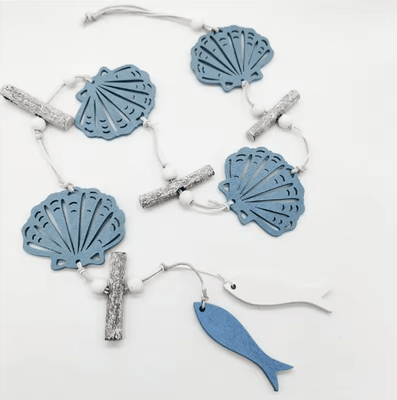
Inspire Picks Nautical Fishing Net Wall Decor Coastal Marine Hanging Ornament shellBring seaside charm into your space with this stylish nautical fishing net decor. Inspired by coastal living, it adds texture and character while creating a relaxed, oceaninspired vibe. Perfect for beach lovers and creative decorators, this marine...34,93 $*Shipping: 0,00 $Secure redirect to the provider
-
Which tenses exist in Swiss German where there are only two tenses?
In Swiss German, the two tenses that exist are the present tense and the past tense. The present tense is used to describe actions that are currently happening or habitual actions, while the past tense is used to talk about actions that have already occurred. Swiss German does not have a separate future tense, as the present tense can also be used to express future actions. **
-
What are the English tenses?
The English language has 12 tenses, which are divided into three main categories: past, present, and future. Each category has four tenses: simple, continuous, perfect, and perfect continuous. The simple tenses refer to actions that are completed at a specific time, the continuous tenses refer to actions that are ongoing or in progress, the perfect tenses refer to actions that are completed before a specific time, and the perfect continuous tenses refer to actions that started in the past and are still ongoing. Understanding these tenses is essential for effective communication in English. **
-
What are the French tenses?
The French language has several tenses, including the present, past, and future tenses. The present tense is used to talk about actions happening in the present or habitual actions. The past tense is used to talk about completed actions in the past, and it has several forms such as the passé composé and the imparfait. The future tense is used to talk about actions that will happen in the future. Additionally, French has other tenses such as the conditional and the subjunctive, which are used to express hypothetical or uncertain actions. **
-
How can one recognize tenses?
One can recognize tenses by looking at the verb in a sentence and identifying the time frame in which the action is taking place. For example, if the verb ends in "-ed" it is likely in the past tense, while if it ends in "-ing" it is likely in the present continuous tense. Additionally, the use of helping verbs such as "will" or "has" can indicate future or present perfect tenses, respectively. Understanding the context of the sentence and the time frame being referred to can also help in recognizing tenses. **
* All prices are inclusive of VAT and, if applicable, plus shipping costs. The offer information is based on the details provided by the respective shop and is updated through automated processes. Real-time updates do not occur, so deviations can occur in individual cases. ** Note: Parts of this content were created by AI.